
Printable Grounding Exercises
Printable Grounding Exercises - Let go of any negative feelings. By practising the grounding techniques listed, you can redirect your focus away from negative or distressing thoughts and feelings and instead anchor yourself in the present. Stand up and put your feet firmly on the ground. They can help you pull out of a frozen or detached. Help clients reduce anxiety and stay present with a grounding techniques worksheet, offering practical exercises for emotional grounding and stress management. Grounding offers a range of potential benefits, including:
They can help you pull out of a frozen or detached. Put your hands in water focus on the water’s temperature and how. Find suggestions for grounding chair, using your senses, grounding object, outside. Grounding is a type of coping strategy that can be used to support the process of healing from trauma. Reduced stress and anxiety spending time grounded can help calm the nervous system, reducing feelings of stress and.
These techniques use your five senses or tangible objects — things you can touch — to help you move through distress. 5, 4, 3, 2, 1 grounding exercise how to do it: There are three major ways of grounding, mental, physical, and soothing. Grounding “anchors” you to the present and to reality, helping you get through stressful moments and gain control over negative or challenging emotions.
Printable Grounding Exercises Brennan

This technique can help pull anxious mental energy back. Grounding techniques help control these symptoms by turning attention away from thoughts, memories, or worries, and refocusing on the present moment. There are three major ways of grounding, mental, physical, and soothing. Learn how to use grounding techniques to calm your mind and body, and manage anxiety and stress. Grounding is.
Free Printable Grounding Exercises Printable Templates
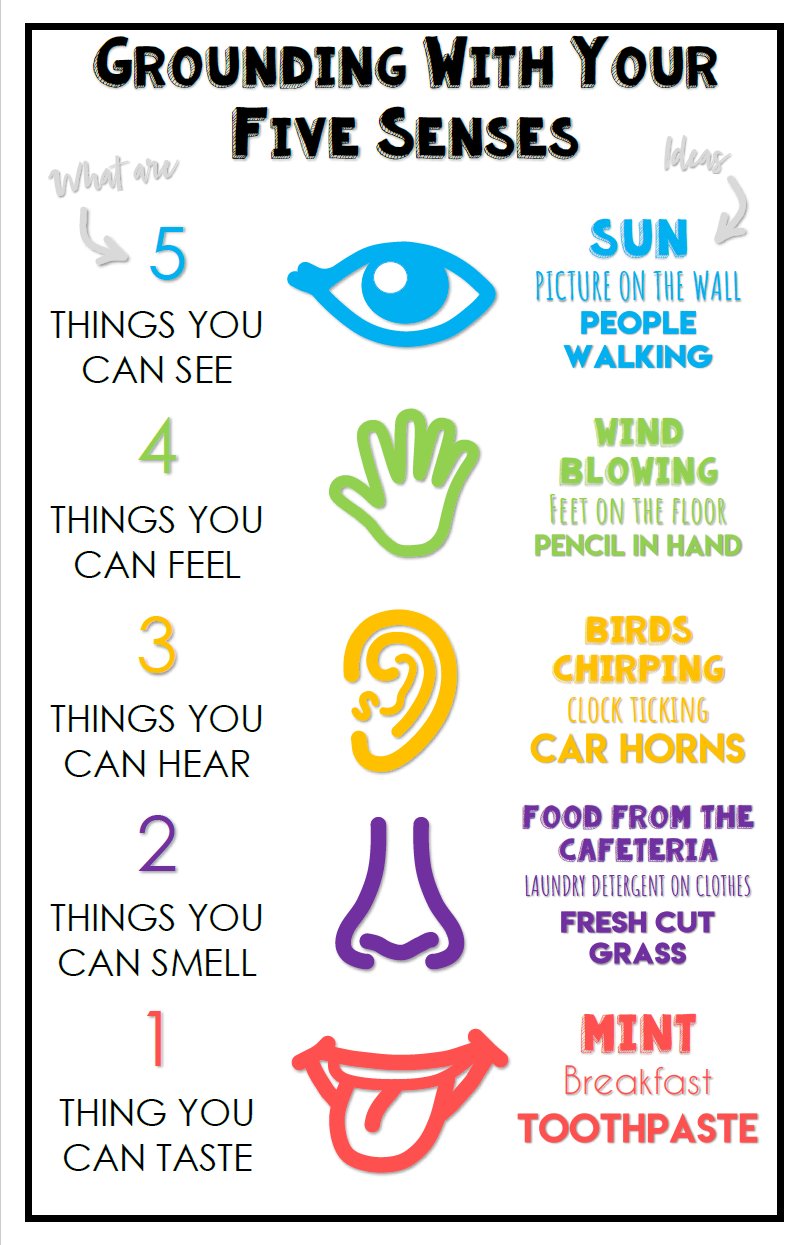
Find suggestions for grounding chair, using your senses, grounding object, outside. Mindfulness & grounding exercises if we are feeling stressed, angry or upset, our breathing becomes quick, our heat rate can change, and you may find this triggers an attack. By focusing on the here and now, grounding techniques can help you manage intense emotions and reduce feelings of panic.
Grounding Exercise Worksheet Etsy

Grounding is a type of coping strategy that can be used to support the process of healing from trauma. 5, 4, 3, 2, 1 grounding exercise how to do it: It is designed to ground you in, or immediately connect you with, the present. Remind yourself of who you are. Reduced stress and anxiety spending time grounded can help calm.
Grounding Exercise for Anxiety Printable Etsy

Mindfulness & grounding exercises if we are feeling stressed, angry or upset, our breathing becomes quick, our heat rate can change, and you may find this triggers an attack. Grounding offers a range of potential benefits, including: Clap your hands together, and try to think about where you are now. This is a calming technique that can help you. Learn.
Printable Grounding Exercises Brennan

Grounding techniques—practices that help distract from fears and unwanted memories—offer a way to control unhelpful anxiety responses. Grounding exercises can be helpful to manage anxiety. This technique will take you through your five senses to help remind you of the present. When you are feeling restless, overwhelmed, worried and confused, try one or more of these. Stand up and put.
5 Things Grounding Technique

Learn how to use grounding techniques to calm your mind and body, and manage anxiety and stress. Distraction works by focusing outward on the external. Grounding “anchors” you to the present and to reality, helping you get through stressful moments and gain control over negative or challenging emotions. By practising the grounding techniques listed, you can redirect your focus away.
Printable Grounding Exercises prntbl.concejomunicipaldechinu.gov.co

There are three major ways of grounding, mental, physical, and soothing. Help clients reduce anxiety and stay present with a grounding techniques worksheet, offering practical exercises for emotional grounding and stress management. They can help you pull out of a frozen or detached. Stand up and put your feet firmly on the ground. Grounding techniques help control these symptoms by.
Printable Grounding Techniques

Grounding offers a range of potential benefits, including: 5, 4, 3, 2, 1 grounding exercise how to do it: Grounding techniques help control these symptoms by turning attention away from thoughts, memories, or worries, and refocusing on the present moment. Help clients reduce anxiety and stay present with a grounding techniques worksheet, offering practical exercises for emotional grounding and stress.
Printable Grounding Exercises - Reduced stress and anxiety spending time grounded can help calm the nervous system, reducing feelings of stress and. 5, 4, 3, 2, 1 grounding exercise how to do it: Grounding “anchors” you to the present and to reality, helping you get through stressful moments and gain control over negative or challenging emotions. Grounding is active, focuses on distraction strategies, and is intended to help lessen negative feelings. These techniques use your five senses or tangible objects — things you can touch — to help you move through distress. Grounding techniques help control these symptoms by turning attention away from thoughts, memories, or worries, and refocusing on the present moment. This technique will take you through your five senses to help remind you of the present. Remind yourself of who you are. Let go of any negative feelings. When you are feeling restless, overwhelmed, worried and confused, try one or more of these.
Reduced stress and anxiety spending time grounded can help calm the nervous system, reducing feelings of stress and. Stand up and put your feet firmly on the ground. This is a calming technique that can help you. Let go of any negative feelings. This technique can help pull anxious mental energy back.
When You Are Feeling Restless, Overwhelmed, Worried And Confused, Try One Or More Of These.
By focusing on the here and now, grounding techniques can help you manage intense emotions and reduce feelings of panic or dissociation. 5, 4, 3, 2, 1 grounding exercise how to do it: Put your hands in water focus on the water’s temperature and how. Grounding “anchors” you to the present and to reality, helping you get through stressful moments and gain control over negative or challenging emotions.
Distraction Works By Focusing Outward On The External.
There are three major ways of grounding, mental, physical, and soothing. Try a variety of techniques and rate the effectiveness of each technique. Grounding is a type of coping strategy that can be used to support the process of healing from trauma. Identify five things you can see.
Let Go Of Any Negative Feelings.
Reduced stress and anxiety spending time grounded can help calm the nervous system, reducing feelings of stress and. Grounding exercises can be helpful to manage anxiety. Find suggestions for grounding chair, using your senses, grounding object, outside. This technique can help pull anxious mental energy back.
Stand Up And Put Your Feet Firmly On The Ground.
These techniques use your five senses or tangible objects — things you can touch — to help you move through distress. Clap your hands together, and try to think about where you are now. Mindfulness & grounding exercises if we are feeling stressed, angry or upset, our breathing becomes quick, our heat rate can change, and you may find this triggers an attack. Grounding offers a range of potential benefits, including: